Finest Practices for Preventing Weld Undercut: Mastering the Essentials
Necessary Tips for Welders: Stopping Undercut Welding and Ensuring Stronger Weld Joints
In the realm of welding, accomplishing strong and long lasting weld joints is the keystone of producing top quality job. Nevertheless, one usual difficulty that welders usually run into is undercut welding, which can compromise the honesty of the weld joint. By recognizing the variables that contribute to undercutting and applying the right strategies and safety measures, welders can effectively avoid this concern and ensure the longevity and strength of their welds. Allow's discover some essential pointers that can assist welders navigate this difficulty and raise the quality of their welding jobs.
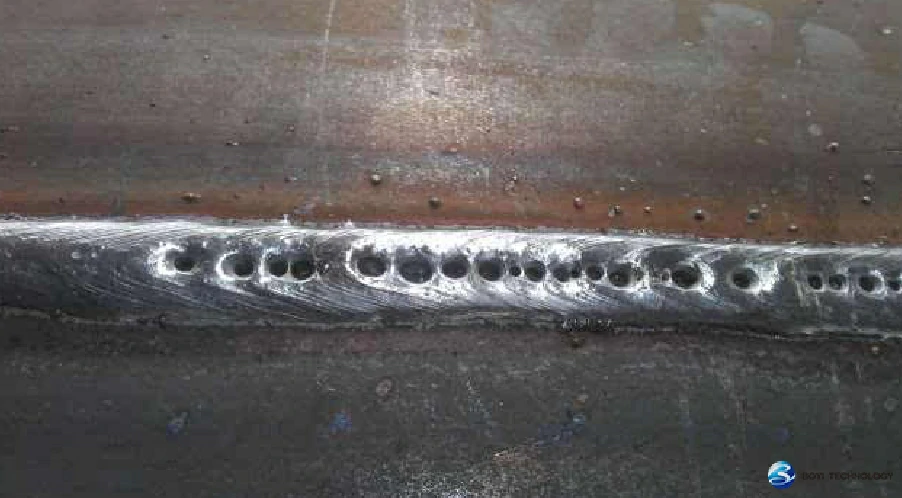
Understanding Undercut Welding
Undercut welding is a common welding issue that occurs when the weld steel falls short to properly fill the groove and leads to a groove-like depression along the weld grain. This problem weakens the weld joint, making it at risk to fracturing and failure under stress. Undercutting can be caused by numerous variables, including too much welding existing, high welding speed, inappropriate electrode angle, wrong electrode size, and bad welding method.
One of the major factors for undercut welding is an imbalance between the welding present and the welding speed. If the welding current is as well high or the welding speed is as well quickly, the weld metal may not properly fill up the groove, resulting in damaging. In addition, making use of an electrode that is too large can result in a similar result, as the excess metal can not appropriately flow into the groove.
To stop undercut welding, welders must guarantee they are using the right welding specifications, keep an ideal electrode angle, select the appropriate electrode dimension, and technique appropriate welding techniques. By dealing with these factors, welders can reduce the risk of undercutting and develop stronger, extra reliable weld joints.
Proper Welding Method
Efficient welding strategy plays a vital duty in making sure the high quality and stability of weld joints. Correct welding method involves a mix of accuracy, skill, and adherence to best practices. One fundamental element of appropriate welding strategy is preserving the appropriate angle and range in between the welding weapon and the workpiece. Welders must likewise pay attention to the travel speed and heat input to avoid problems like damaging, porosity, or incomplete combination.
In addition, a regular and stable hand movement is necessary for creating solid and durable weld joints. Welders must go for smooth, uniform motions to guarantee also circulation of the weld material. Appropriate control of the welding weapon and filler material is additionally key to achieving optimal penetration and fusion.
Additionally, managing the warm input and choosing the appropriate welding criteria based upon the material being welded are crucial factors in achieving premium welds - Preventing weld undercut. Welders need to comply with the recommended settings given by welding procedure specifications and adjust them as needed based on the details demands of the project. By grasping proper welding methods, welders can considerably boost the stamina and reliability of their weld joints
Picking the Right Electrode
When considering the value of selecting the right electrode in welding applications,Preserving the appropriate angle and distance in between the welding weapon and the workpiece is basic. The selection of electrode plays a vital role in identifying the quality and stamina of the weld joint. Electrodes can be found in various types, each made for specific purposes and products.
First of all, choosing the ideal electrode diameter is crucial. Thinner electrodes appropriate for welding slim materials, while thicker important site electrodes are much better for thicker products and greater warm applications. Matching the electrode diameter to the density of the work surface aids achieve a well balanced weld.
Secondly, understanding the material make-up of the electrode is essential. Various electrodes are created for welding certain products like steel, stainless steel, aluminum, or cast iron. Making use of the right electrode product makes certain good blend and decreases the danger of issues in the weld.
Finally, thinking about the welding placement and strategy is important when choosing the electrode type. Particular electrodes are much better matched for above or upright welding placements, while others work well for level or straight settings. Selecting the ideal electrode based upon the welding strategy boosts the total weld top quality and honesty.
Preparing the Base Steel
To make certain an effective welding process, what first steps should be taken when preparing the base metal for welding? Furthermore, any kind of existing weld material or residue from previous welding ought to be removed to make sure a clean surface for the new weld.

Performing Post-Weld Evaluations
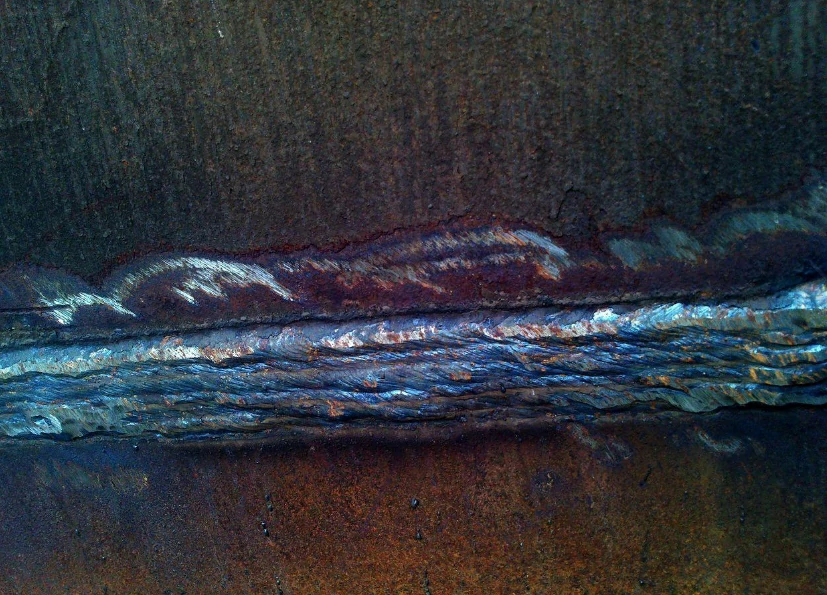
After carrying out these assessments, welders must compare the results versus market standards and project needs to make certain that the weld joint fulfills all required criteria. Any kind of variances or inadequacies found her response throughout the post-weld inspection ought to be promptly dealt with through ideal rehabilitative procedures to assure the weld's honesty. By faithfully performing post-weld assessments and without delay dealing with any type of problems, welders can support the top quality and reliability of their job, eventually adding to the safety and long life of the welded frameworks.
Conclusion

To conclude, avoiding undercut welding and making certain stronger weld joints need a combination of appropriate welding strategy, picking the appropriate electrode, preparing the base steel appropriately, and conducting post-weld inspections. By understanding the root causes of undercut welding and executing the needed precautions, welders can produce high-quality weld joints that satisfy sector requirements and guarantee the architectural stability of the bonded parts.
Undercut welding is a typical welding problem that happens when the weld steel falls short to appropriately fill up the groove and results in a groove-like anxiety along the weld bead (Preventing weld undercut). Undercutting can be triggered by different aspects, consisting of extreme welding present, high welding rate, inappropriate electrode angle, incorrect electrode size, and poor welding technique
One of the primary reasons for undercut welding is an inequality between the welding present and the welding speed. If the welding current is too high or the welding rate is as well fast, the weld steel may not appropriately load the groove, leading to damaging.Maintaining the proper angle and range in between the welding gun and the workpiece is essential when thinking about the significance of picking the appropriate electrode in welding applications.